


Transforming Lives with Human Rights Advocacy
Updated: May 13
Why Human Rights Protection Initiatives Are Non-Negotiable
The minimum standards that every society must uphold to ensure people live with respect and fairness is NOT negotiable. Without them, the vulnerable are crushed under the weight of injustice.
Take Australia, for example. We pride ourselves on being a fair society, but the truth is, many groups—especially those with disabilities—are still fighting for basic rights. These initiatives are the tools that expose systemic failures and demand accountability. They push governments to act, businesses to change, and communities to open their eyes.
What do these initiatives look like? They range from legal reforms and policy changes to grassroots campaigns and public education. They are the frameworks that protect freedom of speech, prevent discrimination, and ensure access to healthcare and education. Without them, the powerful get away with trampling on the powerless.

The Power of Human Rights Protection Initiatives in Action
I’ve seen firsthand how these initiatives can flip the script for people who have been silenced for too long. When you back a cause with solid protection initiatives, you’re not just waving a flag—you’re building a fortress around those who need it most.
Look at the disability sector in Australia. For decades, people with disabilities were sidelined, ignored, and excluded. But thanks to targeted human rights protection initiatives, there’s been a seismic shift. Laws have been tightened, accessibility standards enforced, and public awareness raised. It’s not perfect, but it’s progress. Real, tangible progress.
And it’s not just about laws. It’s about culture. These initiatives spark conversations that challenge prejudice and ignorance. They force us to confront uncomfortable truths about inequality and exclusion. They demand that we do better—not tomorrow, but now.
Here’s what you can do to support these initiatives:
Educate yourself and others about the rights and challenges faced by marginalized groups.
Support organisations and leaders who are pushing for change.
Use your voice—whether through social media, community events, or everyday conversations—to amplify the message.
Hold your local representatives accountable for upholding human rights standards.

What is an example of advocacy for human rights?
Advocacy is the heartbeat of human rights protection initiatives. It’s the relentless push against injustice, the refusal to accept the status quo. One powerful example is the campaign for marriage equality in Australia. It wasn’t just about love—it was about recognition, dignity, and equal treatment under the law.
Activists, community leaders, and everyday people banded together, using every tool at their disposal—petitions, rallies, social media, and lobbying—to make their voices heard. The result? A historic change in legislation that transformed countless lives overnight.
But advocacy doesn’t always come with such a clear victory. Sometimes it’s a slow burn, a constant grind against entrenched systems. Take the fight for Indigenous rights or the push for better mental health services. These battles require persistence, courage, and a refusal to back down.
If you want to be part of this, start small. Volunteer with local groups. Share stories that matter. Demand transparency and fairness from institutions. Advocacy is not a spectator sport—it’s a call to arms.

How Fashion Can Be a Weapon for Change
You might be wondering—what does fashion have to do with human rights protection initiatives? More than you think. Fashion is a language, a statement, a way to disrupt norms and challenge power structures. When wielded intentionally, it becomes a tool for activism.
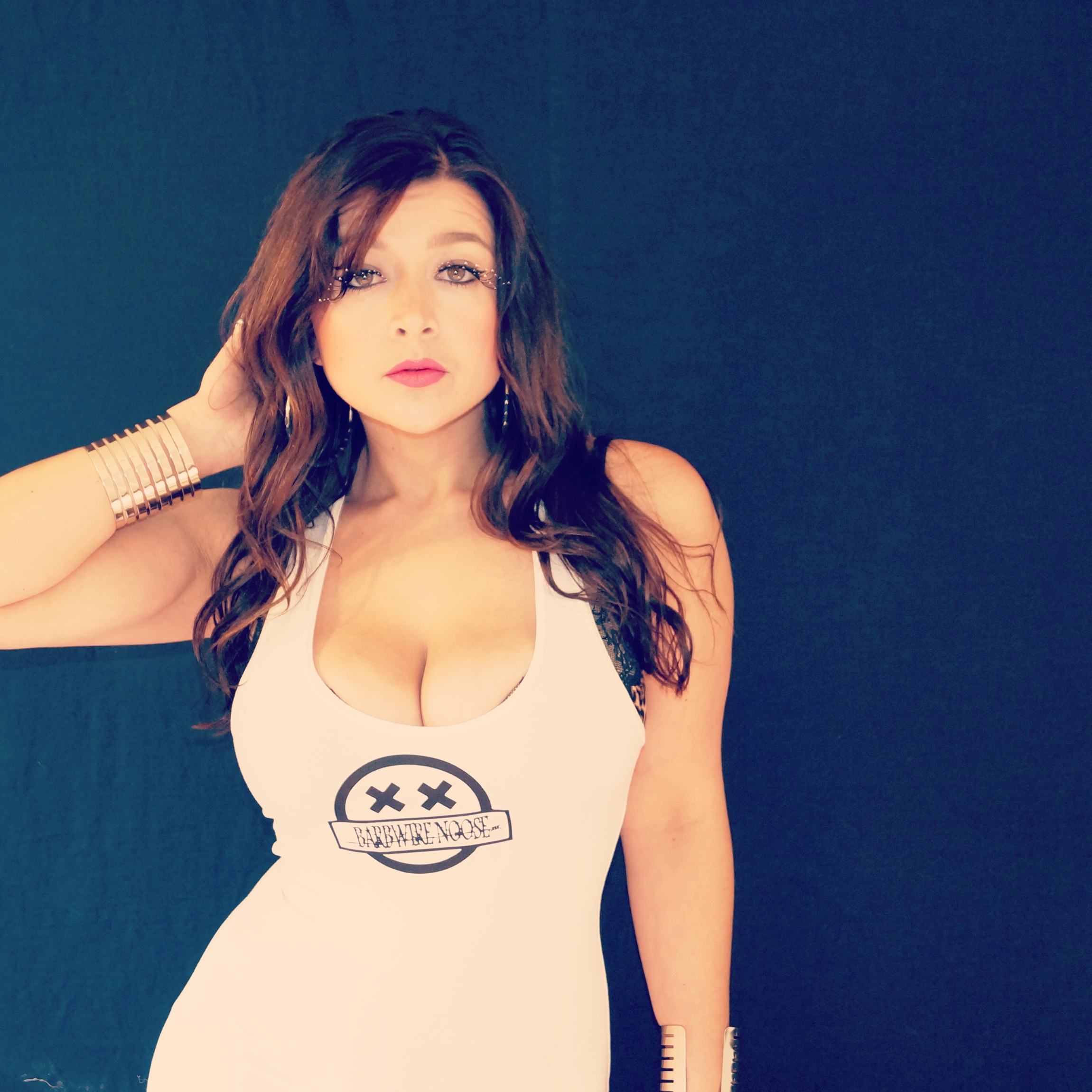
Take the Barbwire Noose fashion line. It’s not just clothing—it’s a bold declaration. It confronts uncomfortable realities and sparks conversations about oppression, resilience, and identity. Wearing these pieces is a form of protest, a way to wear your values on your sleeve—literally.
Fashion can amplify voices that are often ignored. It can fundraise, raise awareness, and create communities of resistance. It’s a platform that reaches beyond traditional activism, engaging people who might otherwise stay silent.
If you want to use fashion as a force for good, here’s how:
Support brands that prioritise ethical production and social justice.
Use your style to tell stories and challenge stereotypes.
Collaborate with activists and artists who are pushing boundaries.
Educate yourself about the impact of the fashion industry on human rights globally.
This is not about looking good—it’s about doing good. And trust me, that kind of power is irresistible.
Why I Stand Firm in the Fight for Human Rights
I’m not just a bystander. I’m in the trenches. I’m fighting alongside those who have been pushed to the margins. I’m using every tool at my disposal—my voice, my platform, my fashion line, and my writing—to demand change.
Human rights protection initiatives are the foundation of this fight. They give us the structure to challenge injustice and the hope that change is possible. But they need champions. They need people who refuse to be silent, who refuse to accept anything less than dignity for all.
This is why I urge you to get involved. To educate yourself. To speak out. To support those who are leading the charge. Because without action, these initiatives are just words on paper.
If you want to learn more about how to become a powerful advocate, check out human rights advocacy. It’s a journey, a commitment, and a responsibility. But it’s also the most important fight you’ll ever join.
The world needs more warriors for justice. Will you be one of them?


Comments